
Mas de Daumas Gassac

Buy Mas de Daumas Gassac wines in Hong Kong at The Vintage Wine Club. Known as the "Grand Cru of the Languedoc", Mas de Daumas Gassac is one of France's most iconic and internationally celebrated wine estates — producing wines of extraordinary complexity and age-worthiness from its unique terroir near Aniane in the Hérault.

The flagship red, based on Cabernet Sauvignon and aged in French oak, consistently rivals the finest Bordeaux in structure, depth, and longevity. The white is equally exceptional — a rare blend of Viognier, Chardonnay, and other varieties that defies Languedoc conventions with its richness and freshness. The rosé Frizant, a lightly sparkling summer wine, is one of the most distinctive and charming expressions in the entire portfolio.

At The Vintage Wine Club Hong Kong, we offer the complete Mas de Daumas Gassac range including old vintages, magnums, and jeroboams — delivered with refrigerated logistics across Hong Kong.

Free delivery on orders above HK$1,500.

4 products

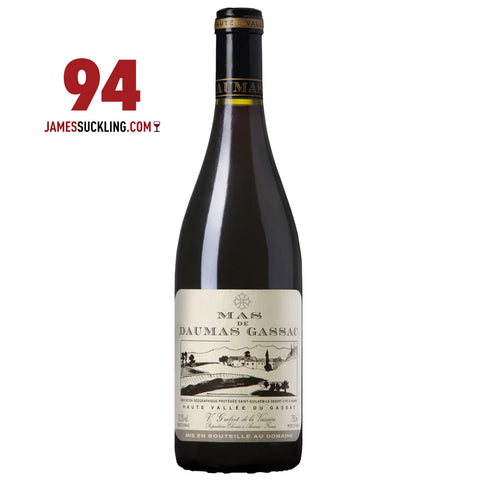
Mas de Daumas Gassac Red 2021
Regular priceFrom $450 HKD
Mas de Daumas Gassac Red 2021
Cabernet Sauvignon
OrganicOrganic
Best Sellers
Mas de Daumas Gassac White 2023
Regular priceFrom $530 HKD
Mas de Daumas Gassac White 2023
Viognier
OrganicOrganic
Best Sellers
Mas de Daumas Gassac Red 2022
Regular priceFrom $490 HKD
Mas de Daumas Gassac Red 2022
Cabernet Sauvignon
OrganicOrganic
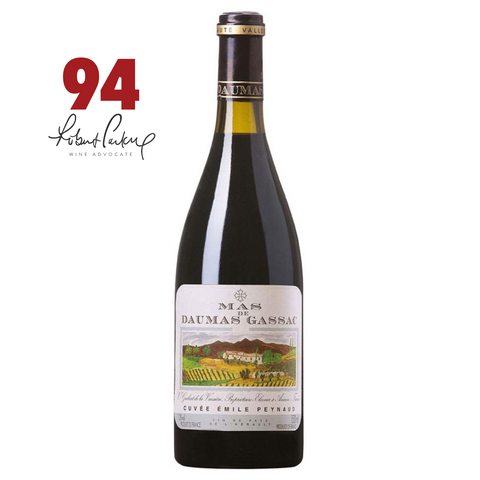
Mas de Daumas Gassac 'Emile Peynaud' Red 2015 - Magnum
Regular price $6,490 HKD
Mas de Daumas Gassac 'Emile Peynaud' Red 2015 - Magnum
Cabernet Sauvignon
OrganicOrganic

How to keep your wine?

Wine Conservation

For long-term wine storage, the key is consistency. A stable temperature in the range of 50–59°F (10–15°C) allows wine to age gracefully, protecting delicate aromas and preserving structure. Temperatures higher than 68°F (20°C) accelerate aging and risk oxidation, while fluctuations cause the liquid and cork to expand and contract, which can compromise the seal and let in oxygen.

By contrast, standard kitchen refrigerators are designed for food preservation, not wine. They’re usually kept too cold (around 35–40°F / 1–4°C) and far too dry, which can dry out corks and spoil long-term storage. However, a fridge is perfectly fine for short-term chilling — for example, bringing a white or sparkling down to serving temperature for the evening.

Best practice: Use a dedicated wine cooler or cellar for long-term storage, and only rely on a household fridge for temporary chilling before service.

wine preservation system like Coravin works by inserting a thin, hollow needle through the cork, allowing you to pour wine without pulling the cork out. As wine is extracted, argon gas (an inert gas that won’t react with wine) is injected into the bottle to replace the liquid and protect the remaining wine from oxidation.

This makes Coravin ideal if you want to enjoy a glass or two from a fine bottle over several weeks (or even months) without worrying about spoilage. It’s especially valuable for collectors, restaurants, or anyone wanting to explore wines by the glass without committing to the entire bottle.

Quick rule of thumb:

  • Short-term (a few days): Use vacuum stoppers or inert gas sprays.
  • Long-term (weeks to months): Use a system like Coravin.

Not all wines are meant to age. While a handful of fine wines can develop beautifully for decades in the cellar, the majority are crafted to be enjoyed within just a few years of release.

The ideal aging potential depends on the wine’s structure:

  • Acidity acts as a preservative, helping wines (especially whites) stay fresh over time.
  • Tannins give red wines backbone and allow them to soften and evolve with age.
  • Sugar & alcohol also contribute to stability, which is why fortified and sweet wines often last longer.

Store bottles with natural corks on their side to keep the cork moist and expanded. A dry cork can shrink, allowing oxygen to seep in and spoil the wine. For wines with screw caps or synthetic corks, the storage position does not matter.

The optimal humidity range is 50–80%, with some experts citing 70% as ideal. Low humidity can cause corks to dry out, while excessively high humidity can damage the labels and promote mold, though it will not affect the sealed wine.

How do you ship your wines?

From our cellar to your doorstep

At Vintage, we take wine care seriously. Every bottle travels in temperature-controlled, refrigerated vehicles from our warehouse straight to your doorstep, ensuring it arrives in perfect condition— just as the winemaker intended.

Place your orderbefore 12pm and receive your wines the next day— fast, fresh, and hassle-free.

Contact us and get personalised advice and assistance from our team!