Chateau Latour

Château Latour is one of Bordeaux’s legendary First Growths, ranked at the pinnacle of the 1855 Classification and revered worldwide for its unmatched power, precision, and longevity. Located at the southern edge of Pauillac, overlooking the Gironde estuary, Latour’s vineyards sit on some of the Médoc’s finest gravel soils, giving the wines their remarkable structure and mineral depth.

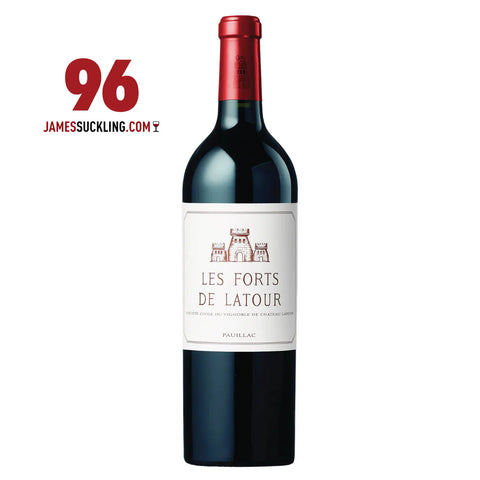
The estate’s flagship wine, Château Latour Grand Vin, is Cabernet Sauvignon-dominant, delivering profound concentration, firm tannins, and layers of cassis, graphite, cedar, and tobacco. These wines are built for the ages, evolving gracefully for decades and often lasting a century. Alongside the Grand Vin, the estate produces Les Forts de Latour, one of Bordeaux’s most respected second wines, and Pauillac de Latour, a refined introduction to the château’s unmistakable style.

A pioneer in sustainable viticulture, Latour has embraced organic and biodynamic principles, further enhancing the purity of its terroir expression. The estate is known for releasing vintages only when they are ready to be enjoyed, ensuring perfect provenance and drinking pleasure.

At The Vintage Wine Club Hong Kong, we offer carefully sourced vintages of Château Latour, from cellar-worthy bottles to benchmark classics. Whether you’re a collector seeking to enrich your portfolio or a connoisseur looking for the ultimate Pauillac experience, Latour represents the pinnacle of Left Bank Bordeaux.

Buy Château Latour wines online in Hong Kong with The Vintage Wine Club, and enjoy temperature-controlled express delivery to preserve their timeless quality.

2 products

LES FORTS DE LATOUR Pauillac Red 2016
Regular priceFrom $2,590 HKD
LES FORTS DE LATOUR Pauillac Red 2016
Cabernet Sauvignon
OrganicOrganic
CHATEAU LATOUR Pauillac Red 2014
Regular price $5,490 HKD
CHATEAU LATOUR Pauillac Red 2014
Cabernet Sauvignon
OrganicOrganic

How to keep your wine?

Wine Conservation

For long-term wine storage, the key is consistency. A stable temperature in the range of 50–59°F (10–15°C) allows wine to age gracefully, protecting delicate aromas and preserving structure. Temperatures higher than 68°F (20°C) accelerate aging and risk oxidation, while fluctuations cause the liquid and cork to expand and contract, which can compromise the seal and let in oxygen.

By contrast, standard kitchen refrigerators are designed for food preservation, not wine. They’re usually kept too cold (around 35–40°F / 1–4°C) and far too dry, which can dry out corks and spoil long-term storage. However, a fridge is perfectly fine for short-term chilling — for example, bringing a white or sparkling down to serving temperature for the evening.

Best practice: Use a dedicated wine cooler or cellar for long-term storage, and only rely on a household fridge for temporary chilling before service.

wine preservation system like Coravin works by inserting a thin, hollow needle through the cork, allowing you to pour wine without pulling the cork out. As wine is extracted, argon gas (an inert gas that won’t react with wine) is injected into the bottle to replace the liquid and protect the remaining wine from oxidation.

This makes Coravin ideal if you want to enjoy a glass or two from a fine bottle over several weeks (or even months) without worrying about spoilage. It’s especially valuable for collectors, restaurants, or anyone wanting to explore wines by the glass without committing to the entire bottle.

Quick rule of thumb:

  • Short-term (a few days): Use vacuum stoppers or inert gas sprays.
  • Long-term (weeks to months): Use a system like Coravin.

Not all wines are meant to age. While a handful of fine wines can develop beautifully for decades in the cellar, the majority are crafted to be enjoyed within just a few years of release.

The ideal aging potential depends on the wine’s structure:

  • Acidity acts as a preservative, helping wines (especially whites) stay fresh over time.
  • Tannins give red wines backbone and allow them to soften and evolve with age.
  • Sugar & alcohol also contribute to stability, which is why fortified and sweet wines often last longer.

Store bottles with natural corks on their side to keep the cork moist and expanded. A dry cork can shrink, allowing oxygen to seep in and spoil the wine. For wines with screw caps or synthetic corks, the storage position does not matter.

The optimal humidity range is 50–80%, with some experts citing 70% as ideal. Low humidity can cause corks to dry out, while excessively high humidity can damage the labels and promote mold, though it will not affect the sealed wine.

How do you ship your wines?

From our cellar to your doorstep

At Vintage, we take wine care seriously. Every bottle travels in temperature-controlled, refrigerated vehicles from our warehouse straight to your doorstep, ensuring it arrives in perfect condition— just as the winemaker intended.

Place your orderbefore 12pm and receive your wines the next day— fast, fresh, and hassle-free.

Contact us and get personalised advice and assistance from our team!